Sign up for exclusive content and updates!
You've set the table for everyone else. Now it's your turn.
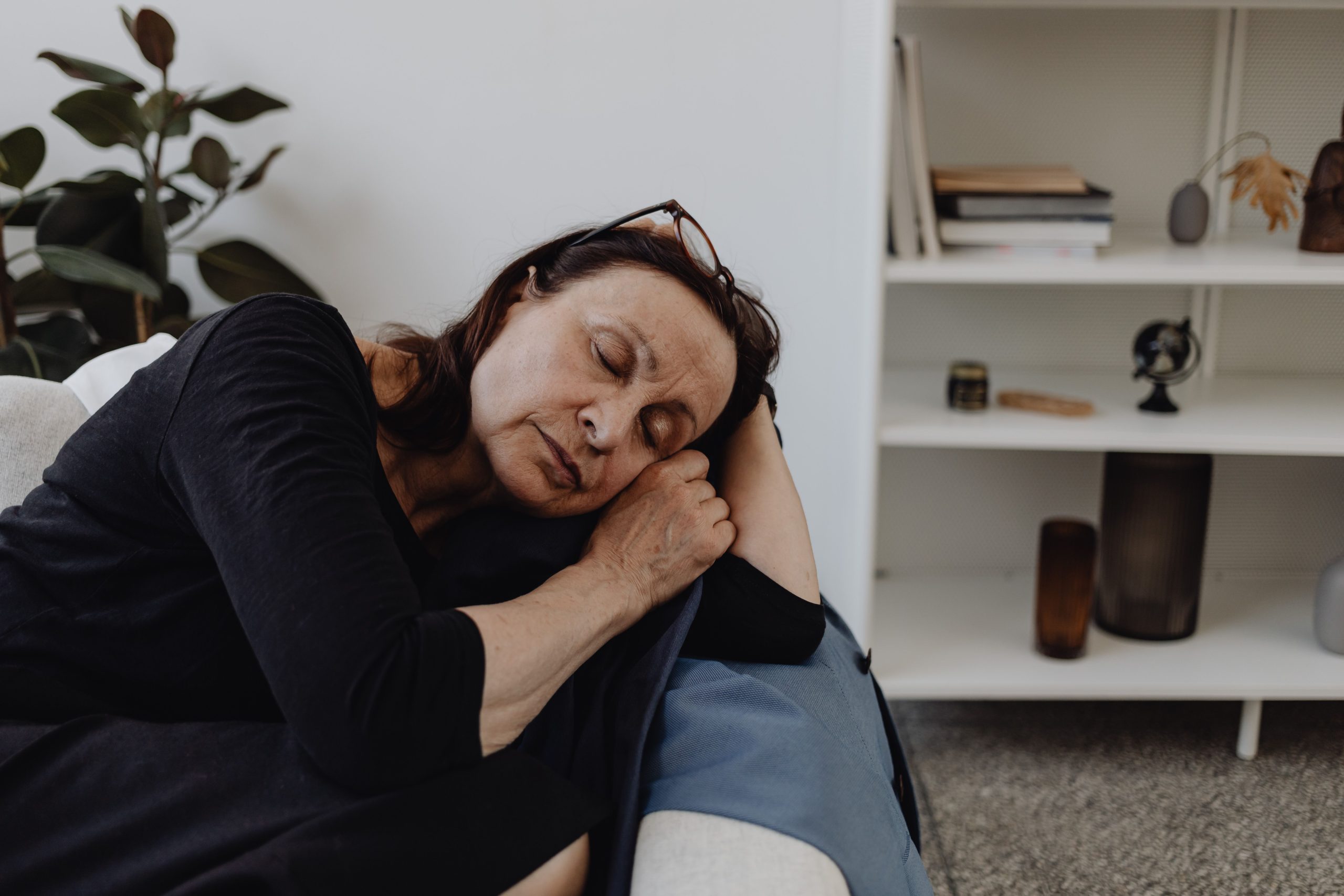
There is a particular kind of tired that shows up sometime in your sixties, and it does not respond to the usual fixes. You have done everything the sleep articles tell you to do. You have cut off caffeine by noon, you have banned screens from the bedroom, you have a white noise machine humming faithfully on the nightstand, and you still find yourself wide awake at three in the morning, staring at the ceiling and wondering what on earth you are doing wrong.
Here is the truth nobody tells you plainly enough. You are not doing anything wrong. The advice you have been following was written for a body that is not yours anymore, and no amount of lavender spray is going to fix a mismatch that deep.
Most of the sleep tips circulating online, in magazines, and even from well-meaning friends were developed with a fairly narrow person in mind: someone younger, often in their thirties or forties, whose hormones are still relatively steady and whose sleep cycles behave in a fairly predictable way. That advice is not wrong exactly, it is just incomplete. It was never built with a post-menopausal woman's body in mind, and that leaves a real gap for the millions of us who are past that transition and wondering why the old rules stopped working.
Think about it this way. A pair of reading glasses that were the perfect prescription for you at forty are not going to help you read a menu at sixty five. Your eyes changed, so the tool that used to work needs to change too. Sleep works the same way. The hormonal landscape that shaped your sleep for decades has shifted, and the tools that once helped you drift off simply are not calibrated for where your body is now. That is not a personal failure. That is biology doing exactly what biology does.
Once estrogen and progesterone decline, sleep itself changes in some very specific and well documented ways. It helps enormously just to know what is going on under the surface, because so much of the anxiety around bad sleep comes from feeling like your body is betraying you for no reason.
Progesterone has a natural calming, sedative quality, and when it drops, deep sleep tends to become lighter and more easily interrupted. This means you may fall asleep just fine and then find yourself waking multiple times in the night, even without an obvious trigger like noise or a full bladder. Estrogen also plays a role in regulating your body's internal thermostat, which is part of why hot flashes and night sweats so often show up right when you are trying to get your best rest. None of this means your sleep hygiene has failed. It means your sleep architecture, the actual structure of how your brain cycles through light sleep, deep sleep, and REM, has genuinely changed shape.
So many women tell us the same story. They fall asleep easily, then snap awake around three, wide alert, mind racing, and stay that way for an hour or more before drifting off again. This pattern is common enough after menopause that sleep researchers have a name for it, and it is closely tied to cortisol rhythms shifting along with your other hormones. Knowing that this is a recognized pattern, rather than a sign that something is uniquely wrong with you, can take a surprising amount of the fear out of those middle of the night hours.
Once you understand that your sleep needs have genuinely changed, you can stop chasing advice meant for a different body and start working with the one you actually have.
Bring hormones into the conversation directly, rather than describing only the sleep problem. Ask specifically about how declining estrogen and progesterone may be affecting your sleep, and ask whether hormone therapy, low dose options, or non-hormonal medications that address hot flashes and night sweats might be worth discussing for you. Many women never raise this connection with their doctor because they assume poor sleep is just an unavoidable part of aging, when in fact there are real, evidence based options worth exploring together.
Because your sleep is more fragmented now, a single unbroken eight hours may simply not be realistic, and chasing it can create its own stress that makes sleep worse. Instead, pay attention to your total rest across the night and even across the day. A short daytime rest is not cheating if your nighttime sleep is naturally broken into pieces. Keeping your bedroom cool, layering bedding you can easily remove, and having a plan for those middle of the night wake-ups, like a low light book instead of your phone, tends to help far more than another rigid bedtime routine borrowed from a twenty-something influencer.
Perhaps the most important shift is simply releasing the guilt. You are allowed to nap. You are allowed to sleep in pieces. You are allowed to need more recovery time than you did decades ago. Rest that looks different from what it used to is still rest, and it still counts.
If you take one thing away from this, let it be this reframe. The problem was never your discipline or your willpower. The problem was that the advice you were handed simply was not built for the body you are living in now. Once you understand what is actually happening beneath the surface, you can stop fighting yourself and start finding what genuinely works for you, at this table, in this season of life.